EN
EN
 Deutsch


Hinged Dock Leveler 9,000 kg | 2500×2000 mm | High-Cycle Food Logistics
Hinged Dock Leveler for High-Cycle Food Dispatch
A Standardised Dock Interface for Fast, Repeatable Truck Turnaround
In food manufacturing, outbound logistics is measured in minutes. When a site is loading trucks continuously, the loading bay becomes a critical performance zone: every hesitation at the dock edge accumulates, every inconsistency affects throughput, and every unplanned stoppage is felt immediately in the dispatch schedule.
This application illustrates how a hinged dock leveler can be used as a standardised dock interface for intensive operations—providing a stable bridge between the facility floor and the truck bed, shift after shift.
Operational Context
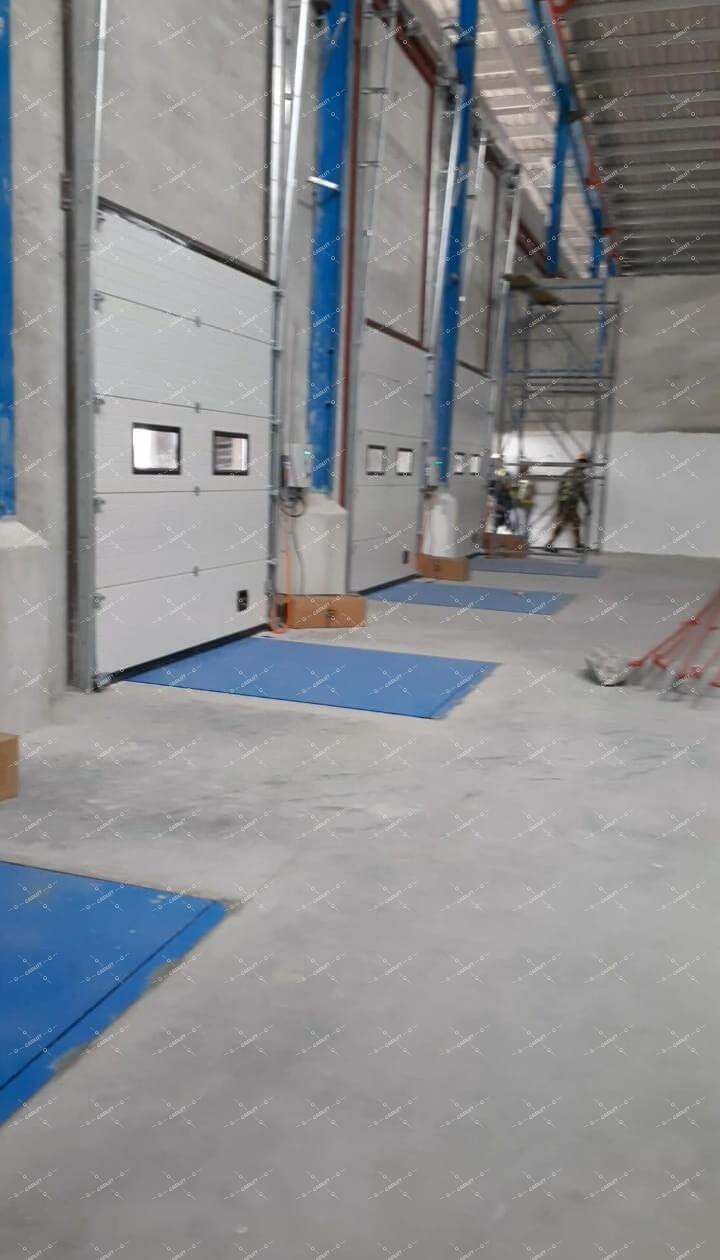
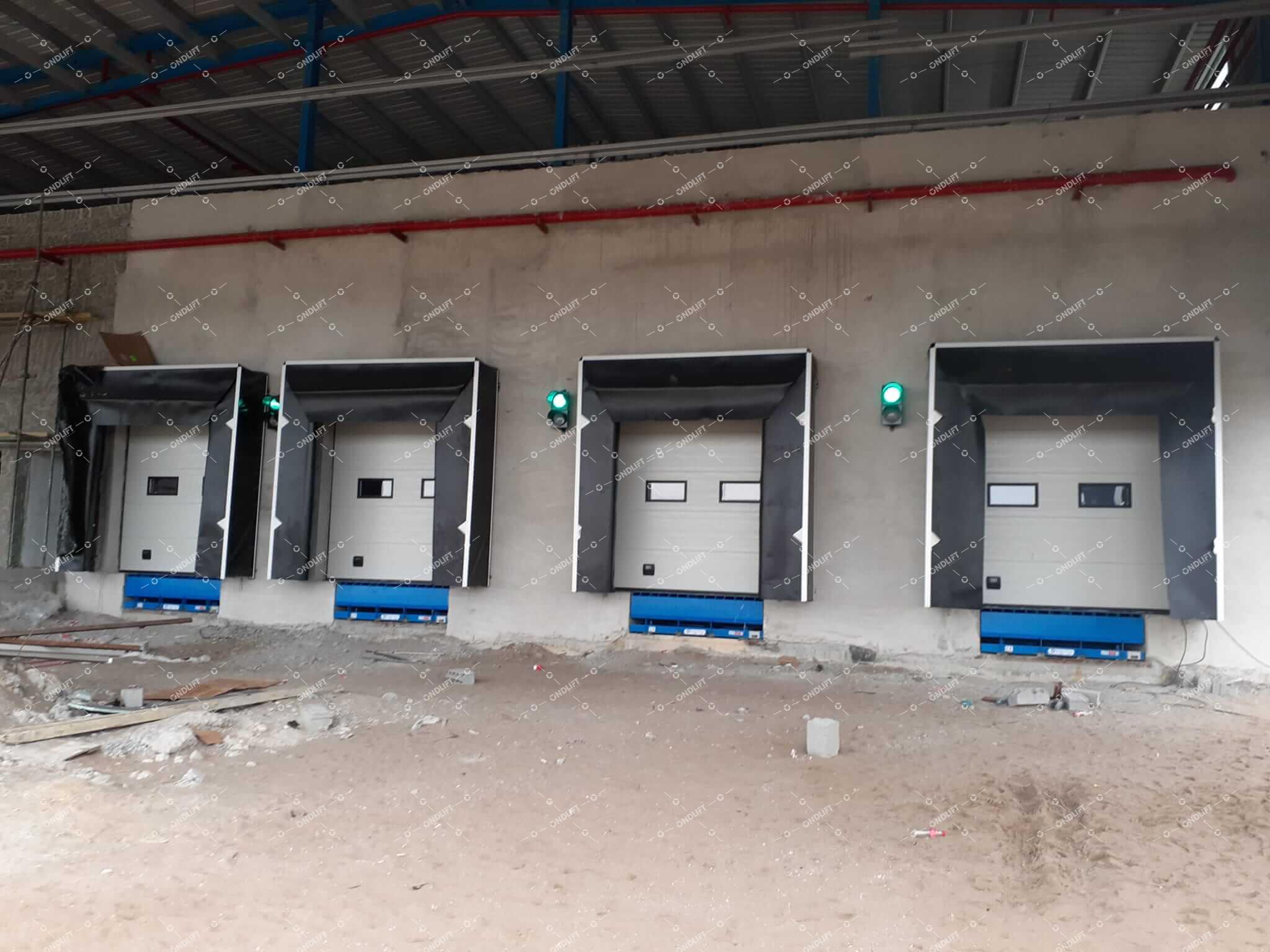
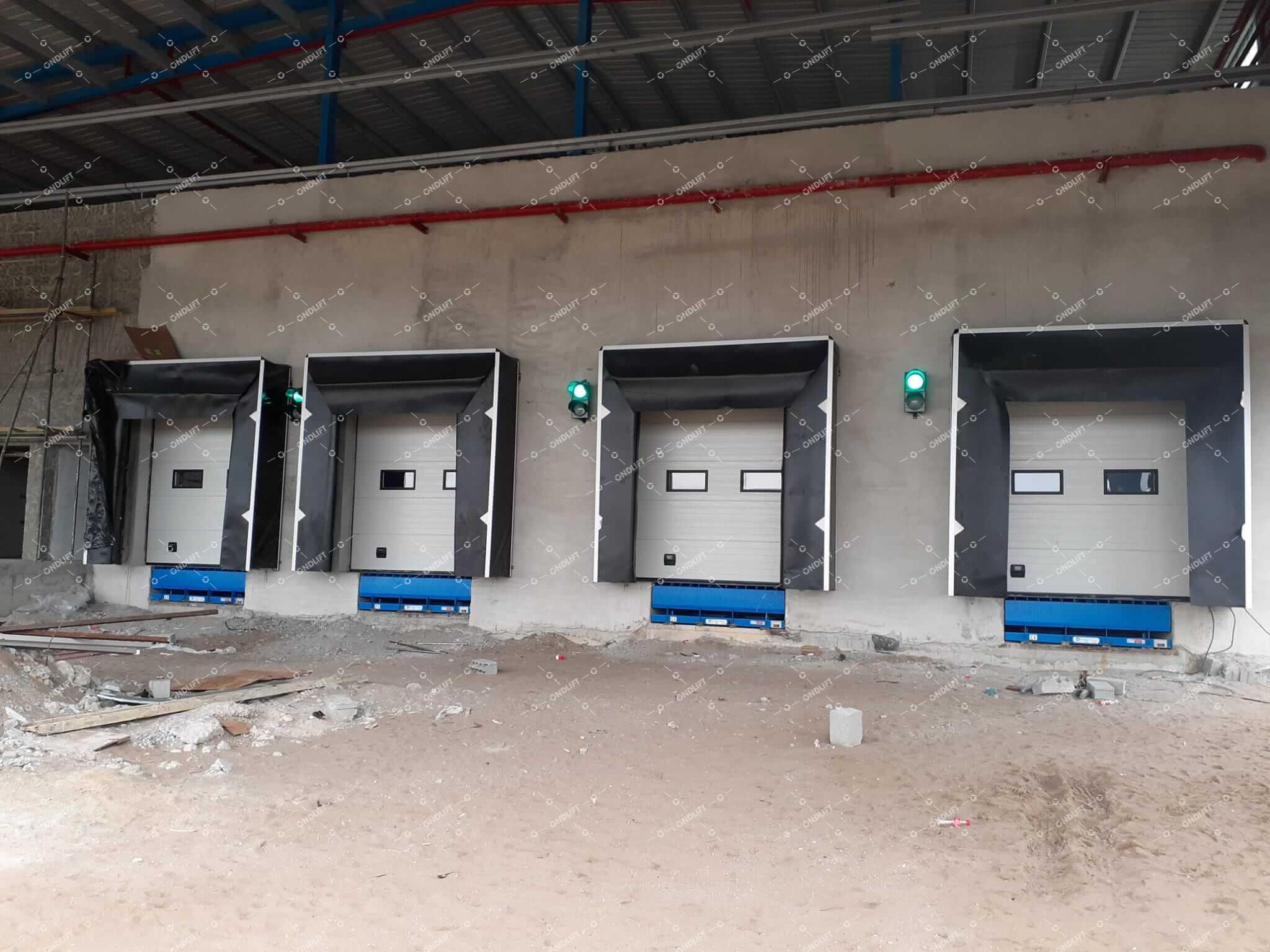
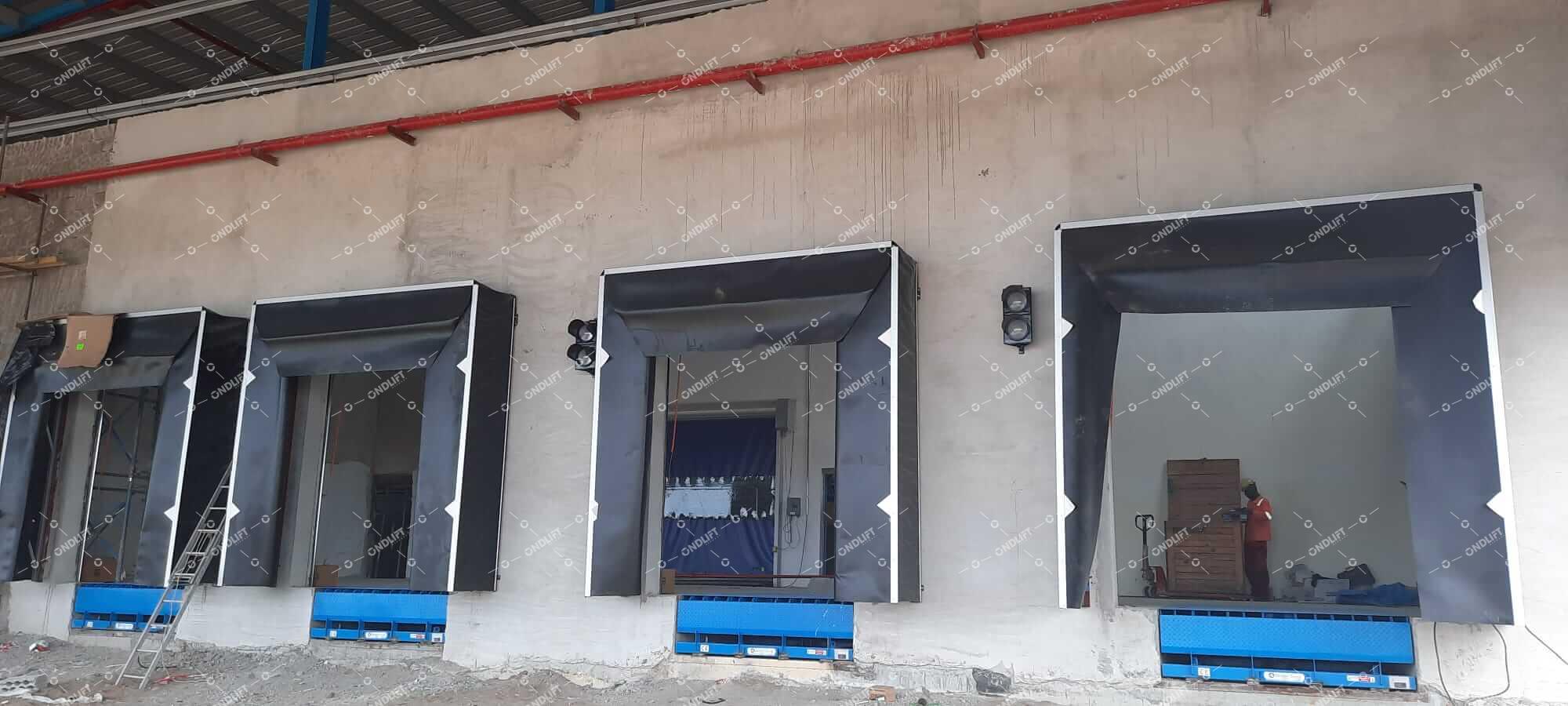
A single food factory implemented a site-wide standard by installing 10 hinged dock levelers across its loading bays. The system is used in a high-traffic dispatch routine, supporting hundreds of truck loadings per day.
The purpose of this approach is straightforward:
- maintain a predictable dock-to-truck transition
- support consistent forklift and pallet-jack movement
- keep dispatch flow stable during peak periods
When multiple bays are fitted with the same spec, it typically reflects a requirement for repeatable performance across the entire shipping area, rather than a one-off equipment upgrade.
Technical Reference (Application Specification)
- Rated Capacity: 9,000 kg
- Platform Size: 2500 × 2000 mm
- Lip Length: 400 mm
Why these specifications are frequently chosen for intensive bays
- 9,000 kg capacity supports demanding daily cycles where dynamic loading and frequent crossings are normal operating conditions.
- 2500×2000 mm platform provides a practical working footprint that supports controlled traffic behaviour at the dock face.
- 400 mm lip functions as the primary bridge to the truck bed, supporting smoother transitions and a more stable interface for loading equipment.
Why Hinged Dock Levelers Fit Food & Beverage Logistics
Food sites often operate with:
- tight dispatch windows and continuous vehicle rotation
- multiple shifts and multiple loading teams
- high repeatability requirements (same motion, same routine, every time)
A hinged dock leveler helps reinforce that discipline by creating a consistent transition geometry that operators can rely on. This reduces “workarounds” and supports a uniform loading rhythm across bays.
What the Installation Enables
Exact results depend on layout and operating practice, but the system is designed to support:
- faster, more consistent truck turnaround during high-volume dispatch
- reduced variability at the dock edge, improving operator rhythm
- standardised operation across multiple doors, supporting training and shift-to-shift consistency
- better overall dock uptime, by aligning capacity and footprint with intensive use
Suitable Use Cases
This configuration is typically well suited for:
- food manufacturing plants with high outbound frequency
- cold chain logistics, distribution hubs, and packaging sites
- facilities standardising multiple bays under one dock equipment specification
- operations aiming to stabilise loading performance and reduce disruption
How to Specify for Your Site
To select the right dock leveler configuration, define:
- peak truck volume and peak-hour intensity
- typical vehicle bed height range
- primary handling equipment (forklift / pallet truck)
- bay geometry and approach constraints
- maintenance access and service planning
Ond Lift Germany GmbH supports project teams in aligning these inputs with the correct technical configuration.
Summary
This application demonstrates a high-cycle dock standard built around a proven specification: 9,000 kg capacity, 2500×2000 mm platform, and 400 mm lip—implemented as 10 units at one food factory to support hundreds of truck loadings per day. The result is a dock-to-truck interface designed for repeatability, stable dispatch flow, and scalable performance across multiple bays.
For project consultation and quotations: www.ondlift.de
Galerie