EN
EN
 Deutsch


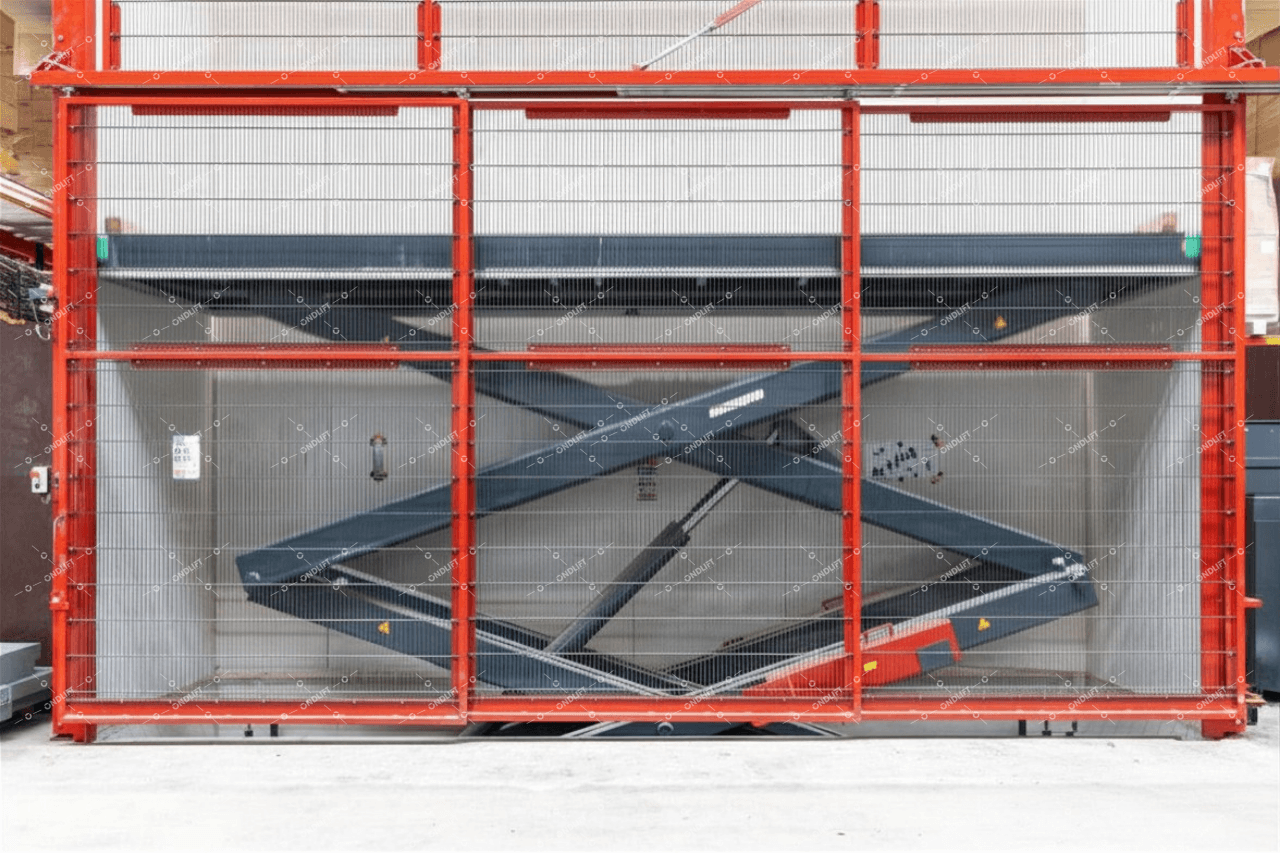
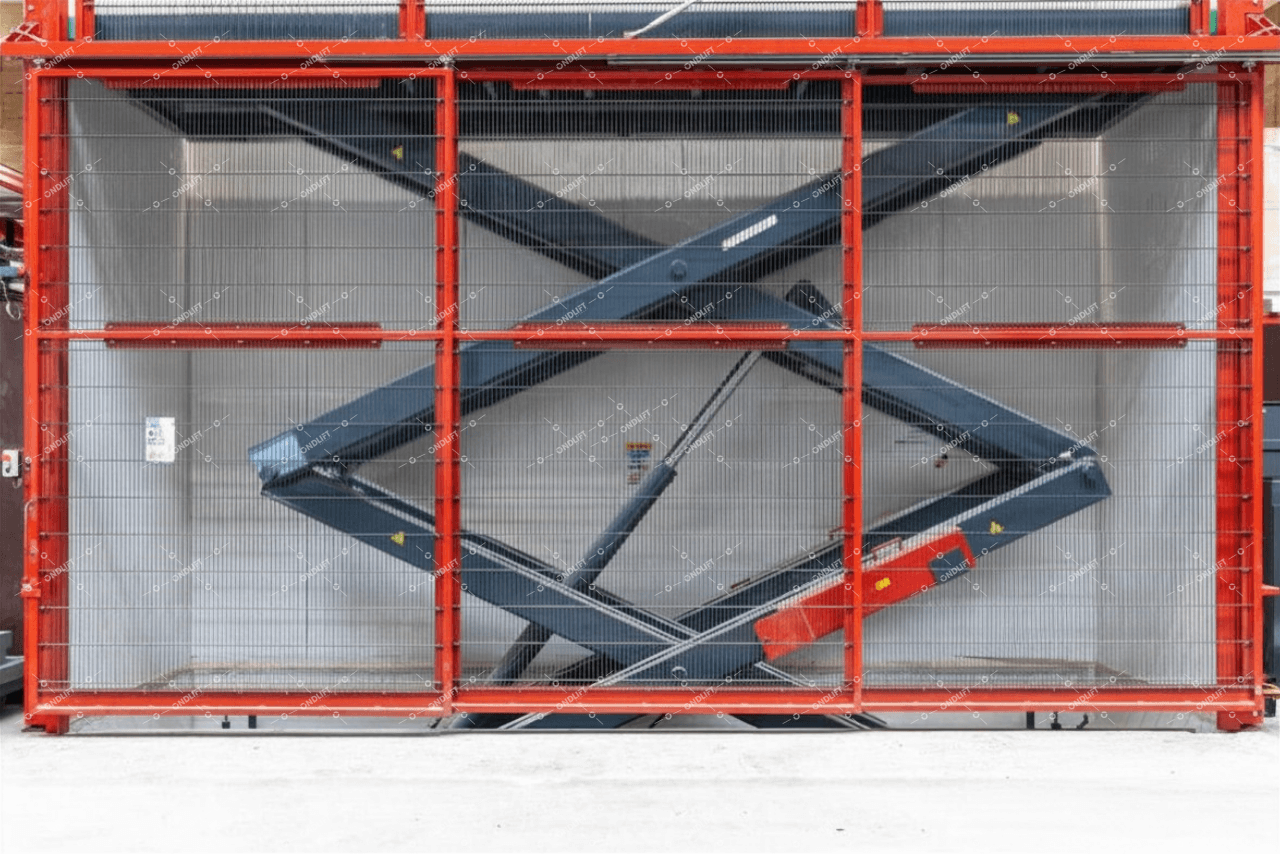
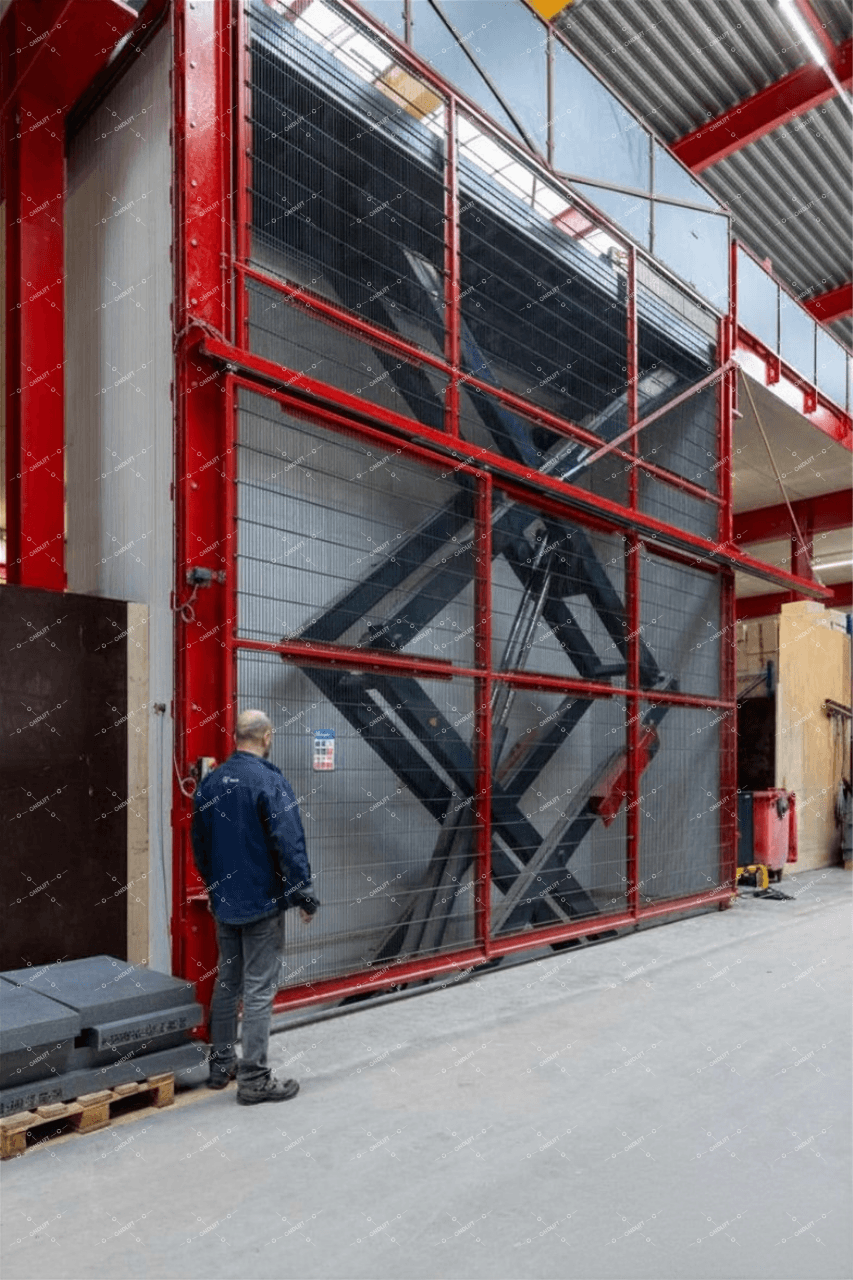
Heavy-Duty Double Scissor Lift Table 4000 kg
Double Scissor Lift Table for Production Facilities
Long-Platform, Heavy-Duty Vertical Transfer Between Floors—Designed for Real Factory Flow
In multi-level production environments, internal logistics is rarely “just transport.” It affects cycle time, workstation feeding, and overall line efficiency. When materials are long, wide, or moved frequently, typical handling routes can become a bottleneck—adding extra repositioning steps, slowing operators down, and increasing risk.
Ondlift Germany’s Double Scissor Lift Table is engineered for wide material carrying between floors in factory production areas. The goal is straightforward: keep the transfer routine consistent, control access where needed, and reduce unnecessary handling in day-to-day operation.
Configuration Snapshot
- Type: Double Scissor Lift Table
- Application: Factory production area – wide materials carrying between floors
- Lifting capacity: 4,000 kg
- Platform dimensions: 6,500 × 1,500 mm
- Stroke (travel): 6,320 mm
- Motor power: 7.5 kW
- Access safety: 3 interlocked sliding floor doors
- Material route: 90° entry/exit
Why Double Scissor for High Travel?
For higher lifting heights, stable lifting geometry becomes a practical requirement. A double scissor configuration is often preferred where the project needs:
- Controlled lifting behavior across a long travel range
- Confident handling of heavy, elongated loads
- Repeatable cycles that remain predictable under daily use
With a 6,320 mm stroke, the design approach supports stable operation while keeping the lift cycle consistent for production routines.
The Real Advantage: A 6,500×1,500 mm Long Platform
Platform size can decide whether a transfer process is smooth—or constantly interrupted by repositioning. A 6,500 mm long platform is a strong fit when your workflow involves:
- Long profiles, frames, carriers, or oversized components
- Multiple units moved per cycle to reduce shuttle frequency
- Faster, clearer positioning on the table without improvisation
Fewer intermediate moves typically means shorter transfer time and less congestion around the lift zone.
4,000 kg Capacity Built for Industrial Loads
In production, the “load” is rarely just the product. Pallets, fixtures, racks, and transport carts often travel together. A 4,000 kg lifting capacity provides a robust working band for heavy-duty routines and helps keep planning stable as production volumes grow.
Interlocked Sliding Floor Doors: Access Control That Supports Safety Culture
This configuration includes 3 interlocked sliding floor doors, designed to keep access structured at each level. Interlocking supports:
- Controlled entry based on platform position
- Better separation of people and moving equipment zones
- More standardized behavior across shifts and teams
In practical terms: fewer exceptions, fewer “workarounds,” and a cleaner safety routine built into the process.
90° Entry/Exit: Matching the Factory Layout (Not Fighting It)
Many factories require right-angle routing due to aisle geometry, machine placement, or conveyor alignment. The 90° entry/exit design helps:
- Reduce turning complexity around the lift
- Keep transport routes aligned with the production map
- Improve aisle discipline and staging behavior
This makes the lift table a functional part of the flow design—not a standalone piece that forces compromises.
7.5 kW Motor: Performance for Repetitive Duty Cycles
A 7.5 kW motor supports heavy lifting with repeatable cycles—important in production areas where consistency matters as much as peak performance. The objective is dependable operation that stays stable across daily use patterns.
Typical Use Cases
- Between-floor transport of long or wide materials in production halls
- Feeding and removing work-in-progress across levels
- Controlled access points where safety zoning is required
- Standardized transfer routines for higher throughput and less congestion
Five Questions That Define the Right Project Setup
- What is the true maximum load (including carts, fixtures, carriers)?
- How long and how flexible are the materials being transported?
- How will loads approach the platform—cart, pallet truck, forklift, custom carrier?
- Which levels require access, and does the 3-door layout match the workflow?
- Are approach clearances sufficient for 90° routing and staging?
Answering these early helps ensure the final lift behaves predictably in real operation.
Summary: Heavy-Duty Long-Platform Transfer, Built for Factory Reality
Ondlift Germany’s Double Scissor Lift Table combines 4,000 kg capacity, a 6,500×1,500 mm platform, and 6,320 mm travel for production sites moving wide materials between floors. With a 7.5 kW motor, 3 interlocked sliding floor doors, and 90° entry/exit, it supports controlled access and a more disciplined, efficient internal logistics routine.
For project configuration support and a quotation: www.ondlift.de
Galerie